Jack Smith Testimony: Key Takeaways From the Hearing
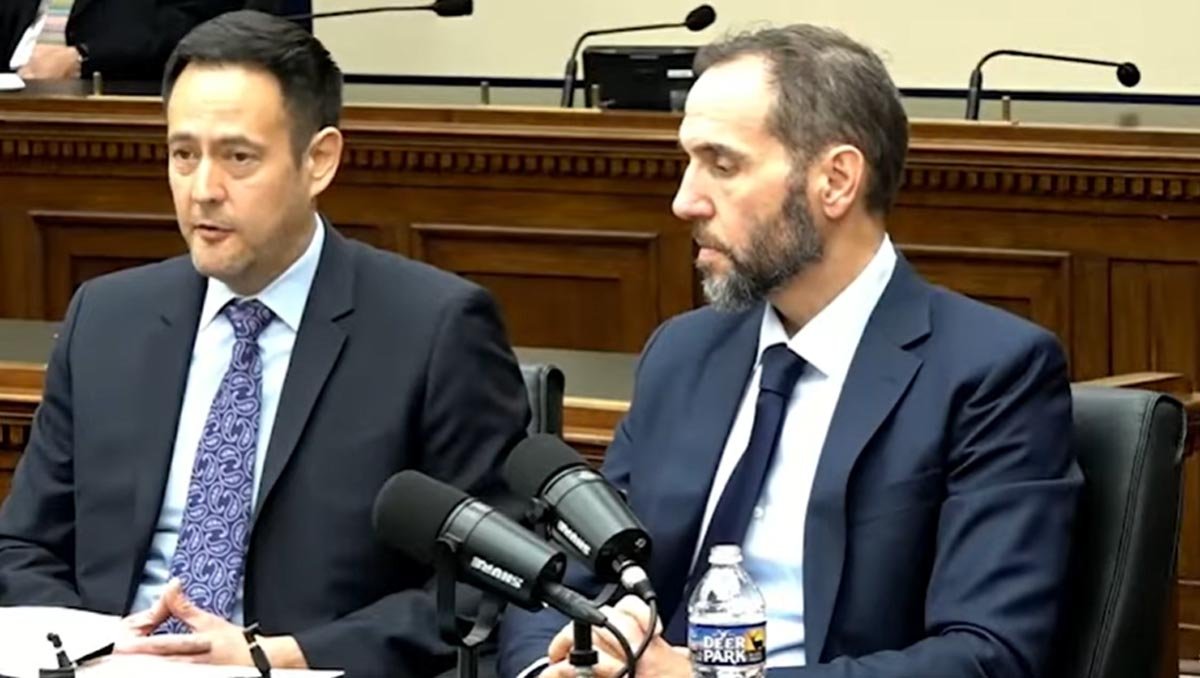
Jack Smith testimony finally arrived after a marathon eight-hour session before the House Judiciary Committee. Former Special Counsel Jack Smith addressed years of scrutiny over his investigations into President Donald Trump. Couldn’t sit through the full video? Here’s a summary of the most critical revelations from this high-stakes hearing.
A Professional Anchor: Integrity Over Politics
Throughout the deposition, Smith leaned on his nearly 30-year career as a prosecutor. That career ranged from Manhattan Assistant D.A. to war crimes prosecutor at The Hague. His core defense against “weaponization” accusations was simple: he followed “the facts and the law without fear or favor.” [03:03]
Smith insisted his office never started with a preconceived outcome. In fact, he agreed that a prosecutor’s most dangerous power is to “pick the man” and then search for a crime. Smith argued he did the opposite — the facts led him to the individual. [03:55]
The Election Interference Case: Witnesses from Within
One striking aspect of Smith’s testimony was his description of the witnesses in the 2020 election interference case. Notably, the case did not rely on political enemies. Instead, it rested on Trump’s own allies — Republican state officials and campaign staff. [05:11]
Smith detailed how his office had proof “beyond a reasonable doubt” that Trump took part in a criminal scheme to overturn the election. Consequently, his team focused primarily on Trump rather than co-conspirators like Rudy Giuliani. This was a strategic move to streamline the trial around the person Smith deemed “most culpable.” [04:40], [06:20]
Classified Documents: “The Boss” and Security Breaches
Smith also addressed the classified documents investigation at Mar-a-Lago. He described the storage conditions as alarming: staff kept top-secret national defense documents in ballrooms and bathrooms. Meanwhile, the club hosted over 150 social events during that same period. [08:45]
The most damning evidence involved alleged obstruction. Smith confirmed his office had evidence that “the boss” (Trump) directed staff to delete security camera footage after prosecutors issued a grand jury subpoena. He also detailed how staff moved 64 boxes out of a storage room right before Trump’s own attorney conducted a search. [09:12], [09:47]
Legal Constraints and Political Retaliation
Significant legal constraints shaped the deposition. For instance, Rule 6E barred Smith from discussing grand jury secrets. In addition, a court order from Judge Cannon restricted him from addressing “Volume 2” of his final report. [01:24], [02:06]
Beyond the legalities, Smith painted a chilling picture of the personal and professional costs of the investigation — costs that echo the broader political climate covered in Why Kamala Harris Lost:
- Threats: He confirmed that judges and court staff received “vile death threats” due to the high-profile nature of the case. [11:06]
- Mass Firings: After the 2024 election, the administration fired more than a dozen career public servants without clear justification, including FBI agents and federal attorneys who worked these cases. [11:24]
- Legal Harassment: Officials even suspended the security clearances of Smith’s own defense counsel. Smith described this as an attempt to make it “politically toxic” to work with him. [11:45]
A Warning for the Future
In his concluding remarks, Smith addressed the broader political climate. He criticized pardons for people who violently assaulted police officers on January 6th. Such pardons, he argued, do not make the country safer. [12:27]
Ultimately, the Jack Smith testimony raises a sobering question about the health of the American legal system. If investigators who uphold the rule of law face professional ruin, while those who break it are celebrated, what message does that send to the next generation of law enforcement? [13:41]
For the full, unedited testimony, you can watch PBS NewsHour’s full unedited coverage.